

Law Attorneys Get Started Today
How Long After Divorce Can You Remarry in Colorado?
Key Takeaways
- Colorado imposes no waiting period after a final divorce decree, so remarriage can happen immediately.
- The 91-day requirement applies before the divorce becomes final, not after it.
- Contested divorces often take longer than 91 days to reach a final decree.
- Legal separation does not end a marriage, so remarriage still requires a final divorce decree.
- Remarrying automatically ends spousal maintenance obligations owed to the receiving spouse.
Divorce raises a lot of questions, and one of the most common is how long after divorce can you remarry in Colorado. Most people expect some kind of waiting period. Colorado does not have one: once a court finalizes the divorce, former spouses are free to remarry. The Law Office of Stephen Vertucci, LLC works with clients across Fort Collins who are ready to move forward, whether that means closing a chapter or beginning a new relationship.
Our Fort Collins Divorce Lawyer team regularly fields questions about timing and how a new marriage affects existing support obligations. We explain when a divorce becomes final, how the 91-day process factors in, and what remarriage means for spousal maintenance and existing property terms.
Contact a Colorado Divorce Lawyer
When Is a Colorado Divorce Final for Remarriage?
In Colorado, a marriage legally ends when the district court enters the decree of dissolution, under Colorado Revised Statutes Section 14-10-120. Either spouse can still appeal after that, but the divorce itself stands unless the appeal specifically challenges the finding that the marriage was irretrievably broken, meaning it could not be saved. Either spouse remains free to remarry while that appeal proceeds.
Remarriage can also end spousal maintenance, while parenting time, child support, and property terms typically continue unless a court modifies them.
Does Colorado’s 91-Day Divorce Waiting Period Apply After Divorce?
Many people confuse the 91-day rule with a post-divorce waiting period, but the two concepts serve different purposes. The 91-day requirement applies before your divorce becomes final, not after it. Colorado law requires that at least 91 days pass between filing a petition and finalization, so the district court has time to confirm residency, make sure the other spouse was properly notified, and determine that the marriage cannot be saved, as set out in Colorado Revised Statutes Section 14-10-106. That window exists ahead of the decree, so spouses have time to work through parenting, support, and property questions first.
With the decree entered, spouses are free to remarry immediately, even the same day if they choose. Uncontested cases sometimes finalize close to the 91-day mark, but contested divorces routinely take considerably longer, since disagreements over parenting time, support, or property can push a case well past that statutory minimum.
After the decree is final, obtaining a new marriage license generally requires a certified copy of the decree and standard identification. County clerks vary slightly in what they request, so confirming requirements with the specific county clerk’s office before applying helps avoid delays.
Steve Vertucci has dedicated his entire legal career to family law, helping clients through some of the most difficult times in their lives with thoughtful strategy and passionate advocacy.


Does Legal Separation Affect Your Ability to Remarry?
People sometimes use legal separation and divorce as if they mean the same thing, but under Colorado law, they do not. A legal separation formally divides finances, parenting responsibilities, and property, yet it leaves the marriage itself intact. Because the marriage still legally exists, neither spouse may remarry while under a decree of legal separation.
Either spouse may ask the court to convert a legal separation into a full divorce, though state law requires waiting at least 182 days after the separation decree before making that conversion. Only after a final decree of dissolution does either spouse become free to remarry.
Can You Remarry Your Former Spouse After Divorce?
Former spouses who reconcile do not face any extra hurdles under Colorado law if they decide to remarry each other. The same marriage-license rules that apply to anyone else apply here too, once the divorce decree is final.
Some assume old agreements simply resume, but a prior decree’s terms on property division and support remain legally separate from any new marriage. Anyone thinking about remarrying a former spouse should check how those old terms apply to the new marriage first.
Have Questions About Divorce or Remarriage? The Law Offices of Stephen Vertucci Can Help
For those people wondering “How long after divorce can you remarry?” they must understand Colorado’s rules make the process more straightforward than many expect. Whether questions involve decree finality, legal separation, or how remarriage affects spousal maintenance, the Law Office of Stephen Vertucci, LLC can help you sort through the details with clarity. Contact our Fort Collins team today at (970) 900-1800 to discuss your situation and understand where you stand before your next step.
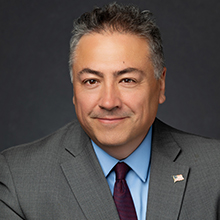
Stephen Vertucci
Founding Attorney
Steve focuses exclusively on family law and brings over a decade of litigation experience to every case. He’s known for providing thoughtful strategies and passionate advocacy in high-conflict divorce and custody matters.

This page has been written, edited, and reviewed by a team of legal writers following comprehensive editorial guidelines. This page was approved by Founding Attorney Stephen Vertucci, who has more than two decades of litigation and family law experience.